


Moree Plains Who's Who
Public Profile
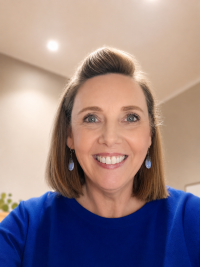
Michelle is a trauma-informed integrative therapist and Clinical Hypnotherapist based in Portland, Victoria.
She works with people who may be experiencing anxiety, emotional overwhelm, trauma responses, low self-worth, grief, fears, relationship patterns or feeling disconnected from themselves.
Her approach integrates Clinical Hypnotherapy, Brainspotting, Parts Work, Inner Child Work, Regression to Cause and nervous-system-informed approaches.
In-person appointments in Portland and online via Zoom.
Bespoke Hypnotherapy
Connect through my public pages
Public information provided by this member.
Share this Portrait
Distinguished and Famous people from Moree Plains
🏪 Mary Brand
Mary Brand helped build the commercial settlement at Moree through a general store and post office established with her husband James in the 1850s. Her later business activity included the Moree Inn, making her a substantial local operator in a period when women’s commercial work was often under-recorded. The park beside the Mehi River preserves her name near the setting of the early store. Her contribution belongs to the practical business of supplying a growing settlement, with goods, information and accommodation linking scattered rural households to a developing town.
🚌 Charles Perkins
Charles Perkins came to Moree in 1965 with the student Freedom Ride, drawing national attention to racial exclusion, including at the swimming baths. Television coverage helped make discriminatory practices visible to audiences who could otherwise ignore them. The visit was an important local event within a wider Aboriginal rights movement, supported by people already challenging injustice in their own communities. Perkins was born in Alice Springs; Moree’s connection is the campaign itself.
🤝 Lyall Munro Senior
Lyall Munro Senior was a leading Moree advocate for Aboriginal rights, working on housing, education, legal assistance and land rights over many years. When the Freedom Ride reached the town in 1965, he was among the local people at the forefront of challenging exclusion at the swimming baths. That local leadership is essential to the story alongside the visiting students. His later work continued well beyond the event that brought national cameras. A state funeral in 2020 recognised a life of sustained service to his community and to broader Aboriginal political organisation.
